
Controls
About this game
A Supermarket Built for Small Hands
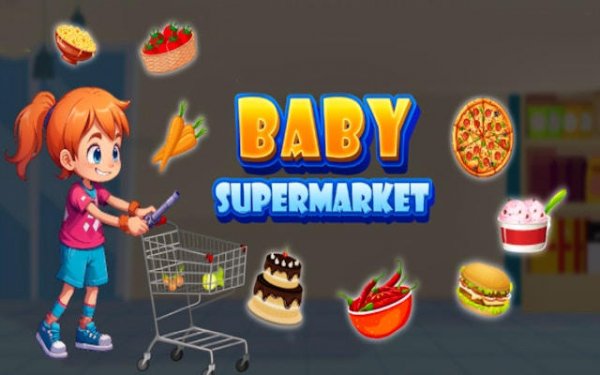
Little Shopper Supermarket Adventure turns a routine grocery trip into a structured learning activity for toddlers and preschoolers. A cute baby character leads the way through colorful aisles stocked with fruits, vegetables, dairy products, and snacks. The setting is intentionally familiar: shelves, carts, and products mirror what young children see in real stores, which makes the digital tasks feel connected to everyday life. [IMG_1]
Dragging, Dropping, and Deciding
Each level gives the player a clear task: select grocery items from the shelves and drop them into the shopping cart to complete a list. Controls rely on mouse or touch input, and the game provides visual cues plus simple instructions so children who cannot yet read confidently can still participate. The drag-and-drop action is the core loop, but the real work happens in the player's head as they match items to the list and decide what belongs in the cart. [IMG_2]
What Children Practice While They Shop
The game introduces food groups and packaging types in a safe, digital environment. Boxes, cartons, and bags appear alongside basic product names, giving children repeated exposure to labels and categories. Matching and sorting activities support cognitive development, and as players progress, new aisles and items appear to keep the challenge fresh. Memory and categorization are woven into the shopping tasks rather than taught as separate lessons.
Making the Most of Each Trip
Children benefit from taking their time in each aisle rather than rushing to finish. Repeating levels reinforces memory of food names and categories, and celebrating small achievements keeps motivation high. Parents can use the game as a conversation starter about real-world grocery shopping, connecting what happens on screen to what happens in an actual store. [IMG_3]
Compatibility
Screenshots

How To Play
Player Reviews
Little Shopper Supermarket Adventure targets toddlers and preschoolers with a familiar grocery setting and straightforward drag-and-drop controls. Its strengths are the clear visual cues, touch-friendly input, and focus on food groups, packaging, and basic product names. The game is best suited for parents or educators looking for a low-pressure way to build categorization and memory skills. The main limitation is that the input does not describe difficulty options or multiplayer features, so it appears to be a solo, guided experience for young children.
Comments
Sign in to leave a review
Share your rating and tip other players.
No comments yet.







Editorial Notes